
History of Phuket: Trade, Tin and Tourism
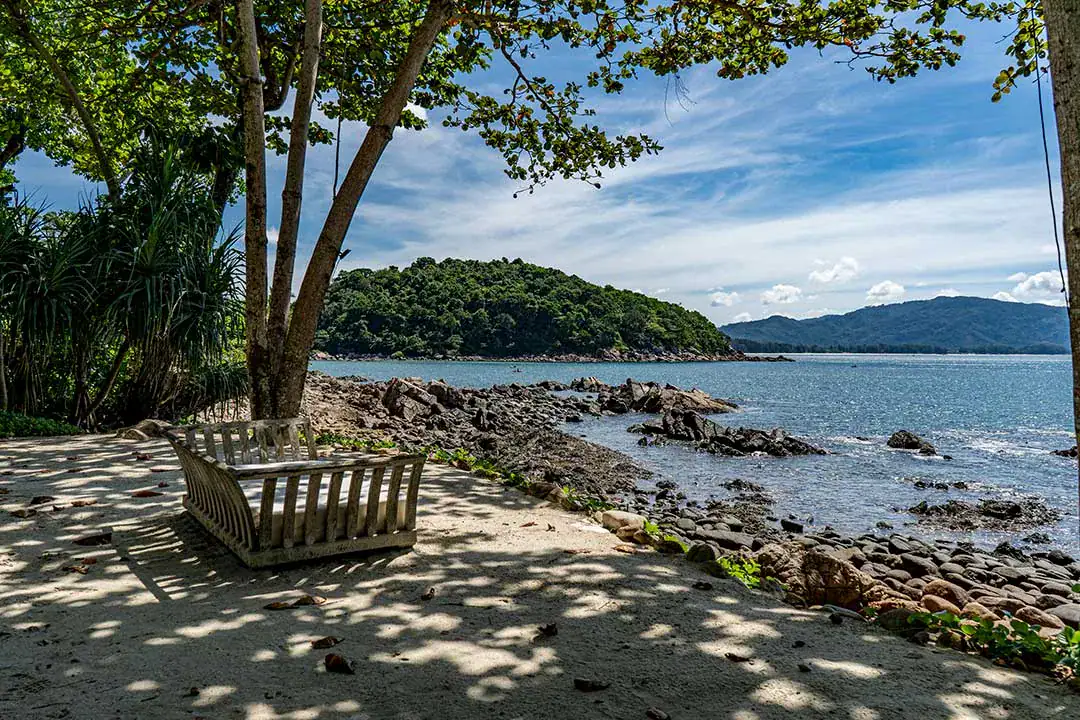


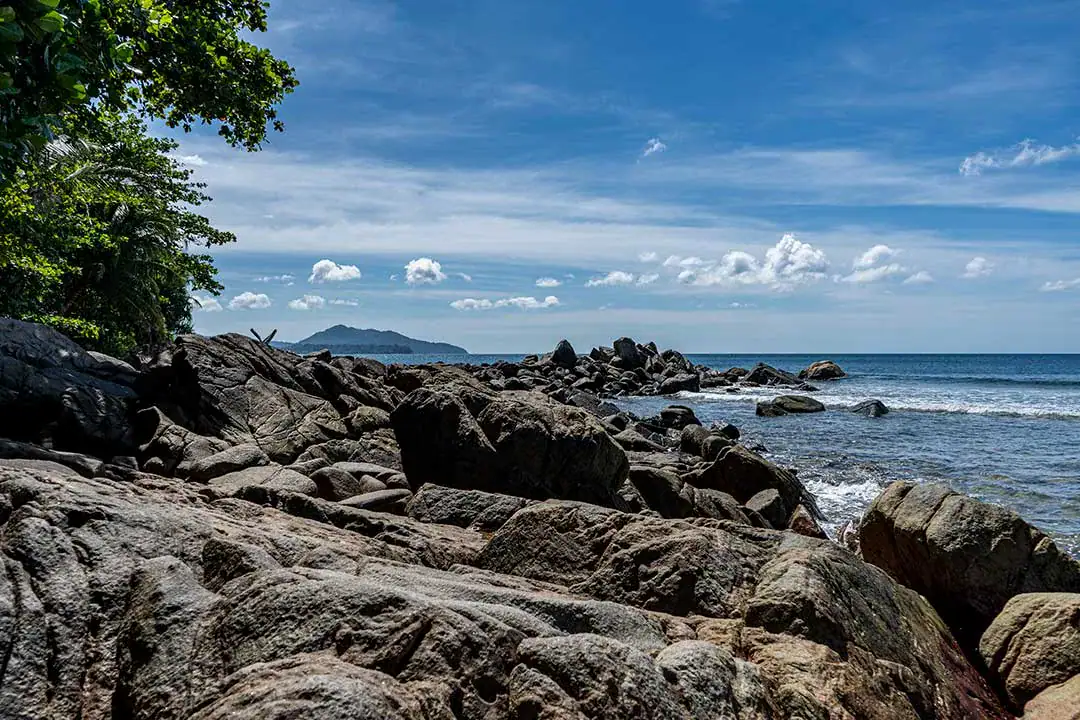
Phuket is widely known as a beach destination, but the island developed long before modern tourism. Its position near the maritime routes of the Andaman Sea connected it with trading networks across the Indian Ocean and the Malay Peninsula. Later, tin mining brought capital, labour and new communities, while roads, aviation and tourism changed the economy again during the twentieth century.
The result is not one single heritage style. Phuket’s history combines southern Thai, Chinese, Malay, Muslim, Buddhist and European influences, with the clearest evidence found in Thalang, Phuket Town, former mining districts, shrines, temples and long-established food traditions.
An Island on Regional Trading Routes
Phuket’s location made it useful to ships moving through the region. Traders and travellers connected the island with ports in India, China, the Malay Peninsula and the wider Indian Ocean. These exchanges introduced goods, beliefs, languages and building traditions over a long period rather than through one single event.
European merchants also entered regional trade from the sixteenth century onwards. Phuket was never a European colony, but European commercial activity and the neighboring colonial economies influenced trade, administration and architecture in southern Thailand.
The Battle of Thalang
One of Phuket’s defining historical events took place in 1785, when local forces resisted a Burmese attack at Thalang. The defense is associated with two sisters, later honored as Thao Thep Kasattri and Thao Si Sunthon. Their monument stands near the main north–south road in central Phuket and remains an important island landmark.
Thalang was historically more important than its present scale might suggest. Before Phuket Town became the island’s main urban and commercial center, the northern part of the island played a central role in local government, settlement and defense.
Tin Mining and Migration
Tin became the major force in Phuket’s nineteenth- and early twentieth-century economy. Mining attracted workers and merchants, particularly from southern China, and helped create communities with strong Hokkien and Peranakan traditions. These influences became part of Phuket’s food, religious life, festivals, family businesses and domestic architecture.
The mining economy also shaped the landscape. Former mining areas extended across central Phuket, while wealth generated by tin supported the construction of shophouses, merchant homes, schools and civic buildings in Phuket Town.
Phuket Old Town and Living Heritage
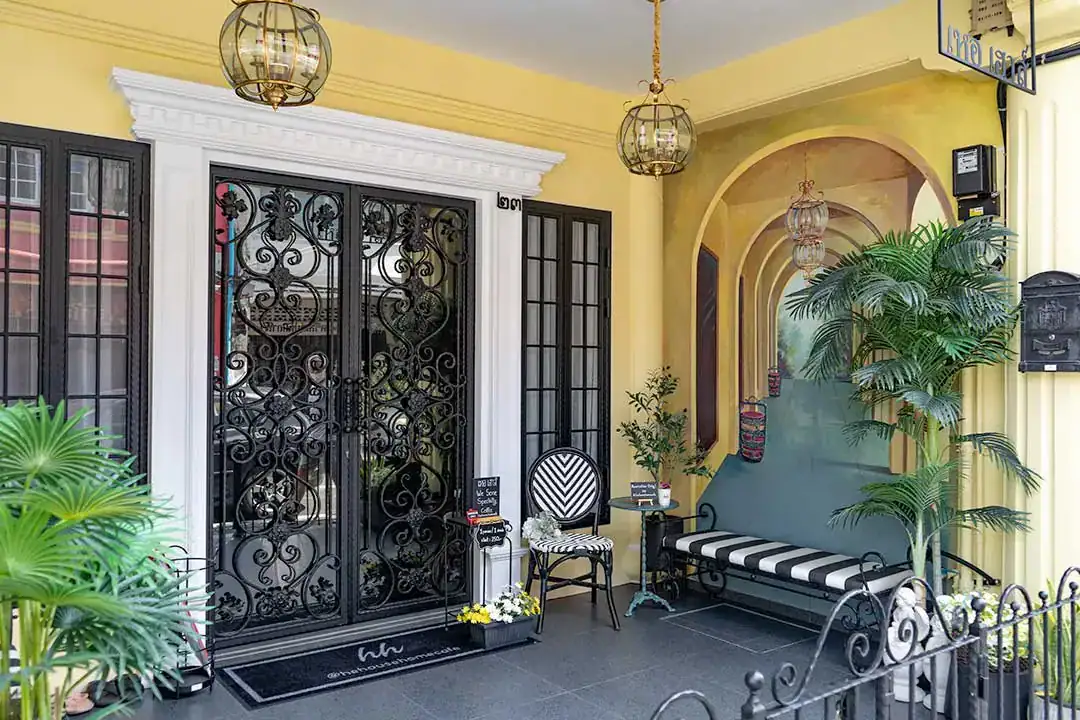
Much of this history can be read through the streets of Phuket Old Town. Narrow shophouses, internal courtyards, covered walkways and larger family residences reflect the commercial and domestic needs of the period. The buildings were made for work and tropical conditions, not simply as decorative façades.
Chinese shrines remain active community and religious spaces, especially during the Phuket Vegetarian Festival. Buddhist temples, Muslim communities and southern Thai traditions form other parts of the island’s historical fabric. The Phuket Thai Hua Museum provides further context on Chinese education, migration and local culture.
From Mining Island to Tourism Economy
Mining declined in importance during the twentieth century. Rubber, transport, construction and tourism gradually changed the island’s economy and settlement patterns. Beach areas that had once been small fishing or agricultural communities developed into resort centres, while Phuket Town remained the main administrative and commercial centre.
This transformation brought rapid growth but did not erase the older island completely. Markets, shrines, temples, food businesses and family homes continue to operate within modern Phuket. Some historic buildings have become hotels, cafés, museums or shops; others retain ordinary residential or commercial uses.
Where Phuket’s History Is Most Visible
A practical introduction begins with the Phuket Old Town Guide, followed by the Thai Hua Museum and several Chinese shrines. Wat Chalong explains another part of the island’s religious and social history, while Thalang adds the story of the 1785 defense and Phuket’s earlier administrative center.
Seen together, these places show how trade, migration, mining and tourism shaped the island in different periods. Phuket’s history is therefore not confined to a museum. It remains visible in the layout of towns, the use of religious sites, local food and the continuing life of older buildings.