
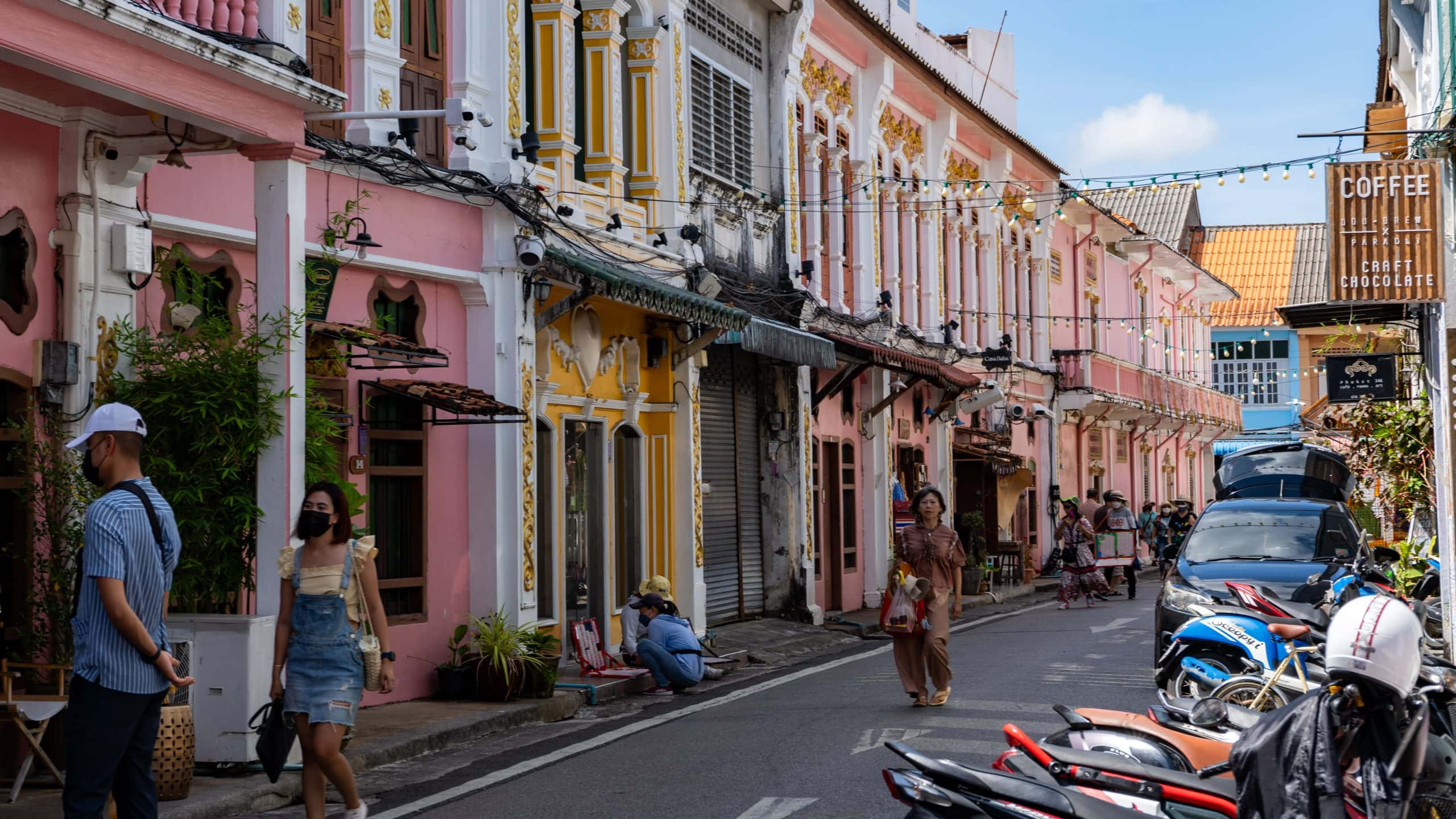
A living heritage district shaped by trade, migration, food and the tin economy.
Phuket Old Town is one of the best places to understand the island beyond its beaches. It is the historic centre of Phuket City: a compact group of shophouse streets, Chinese shrines, small museums, food businesses and restored buildings that still function as part of a living town.
The district is often photographed for its pastel façades and Sino-Portuguese architecture, but its real value lies in how much of its older character survives in everyday use. Families still live here, shops still trade here, shrines still serve local communities, and food traditions shaped by migration and trade remain part of daily life.
It is compact enough for half a day, but the best visit is slower than a quick photography stop. Walk it, look up, explore the side streets, eat something local and treat the area as a real neighbourhood rather than a sightseeing checklist.
Why Phuket Old Town matters
Phuket’s modern image was built around beaches and tourism, but the island’s earlier prosperity came from trade and tin. Much of that wealth flowed through Phuket Town, where Chinese families, Thai communities and outside commercial influences helped shape a distinctive local culture.
The architecture reflects that period, but the district matters for more than heritage value alone. Phuket Old Town remains one of the clearest places on the island to see the relationship between migration, religion, food, commerce and urban life. It is not a preserved museum quarter, and that is part of its appeal.
A practical walking route
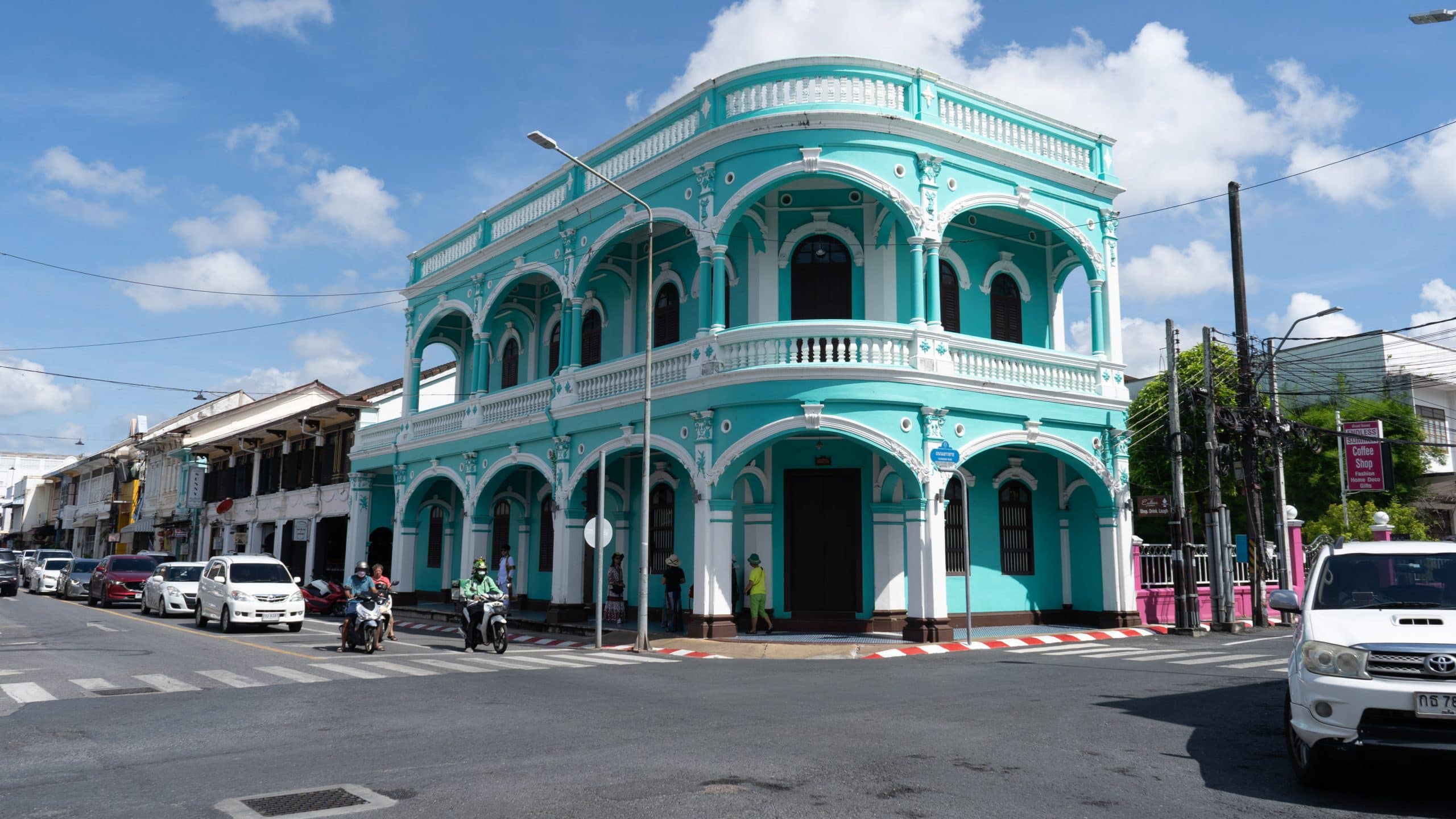
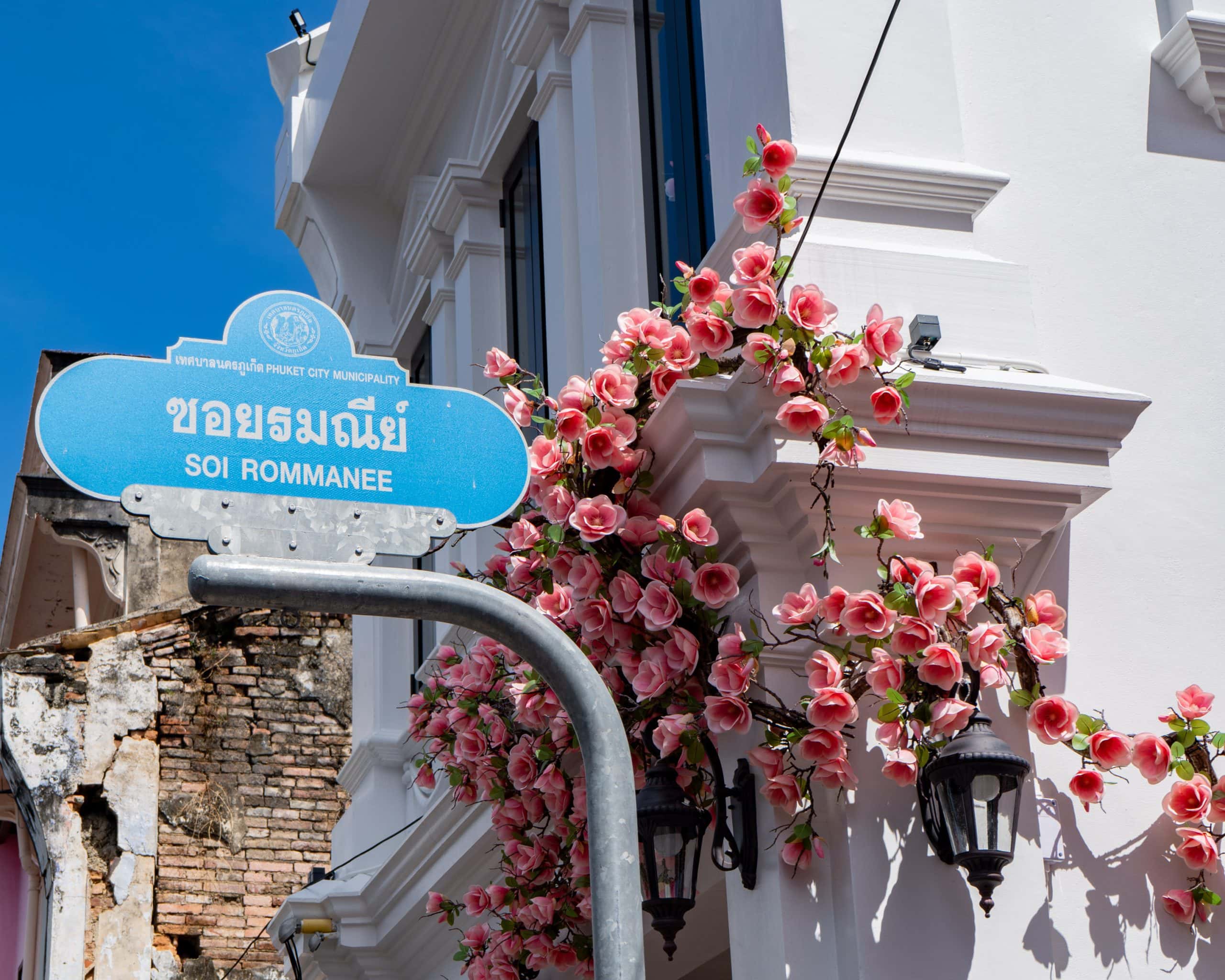
The easiest way to explore Old Town is as a loose walking circuit rather than a strict attraction-by-attraction itinerary. Begin around Thalang Road, then continue through Soi Rommanee, Dibuk Road, Krabi Road and Phang Nga Road. These streets are close enough to connect comfortably on foot, with short detours for shrines, museums, cafés and quieter working blocks.
Thalang Road is the best-known street and the centre of the Sunday Walking Street market. It is lively, colourful and easy to understand at first glance, but it is only one part of the historic district. Dibuk Road and Phang Nga Road give a broader sense of the working town, while Krabi Road includes some of the most important historic buildings and museum stops.
If visiting on Sunday, the Lard Yai Walking Street market brings food, music and much larger crowds to Thalang Road. Visit for atmosphere and street activity. Choose a weekday morning for a quieter architectural and heritage experience.
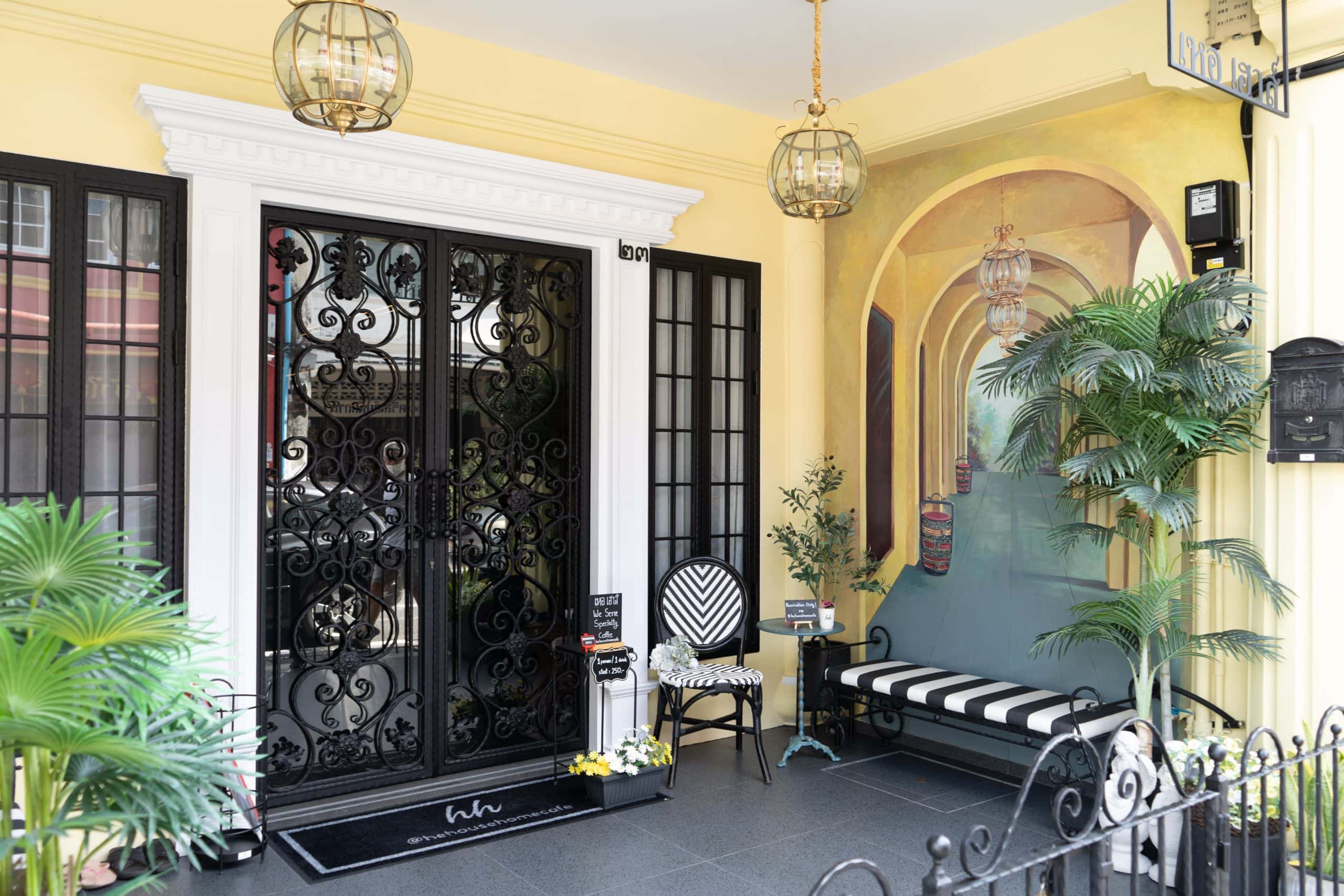
Architecture built for work and climate
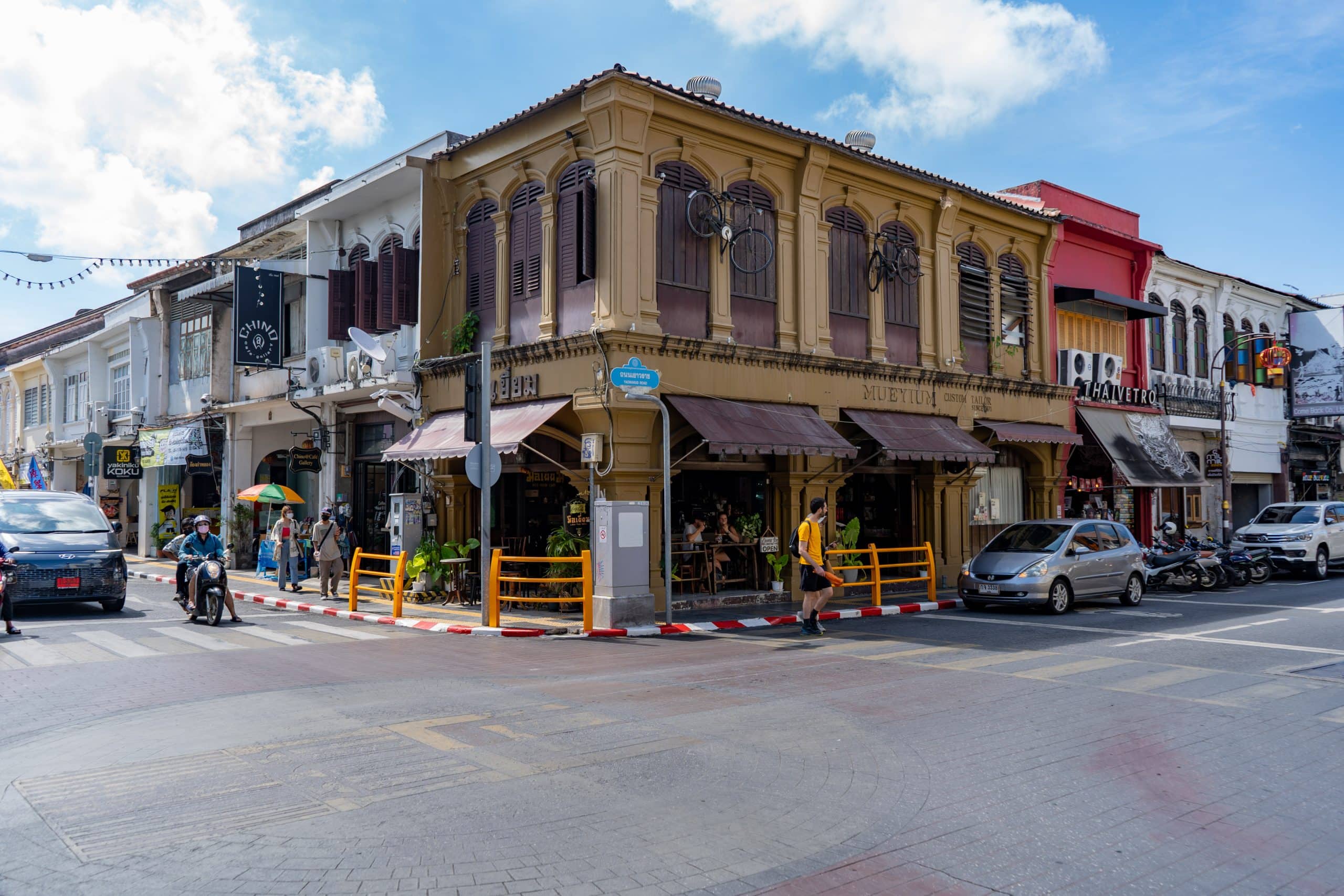
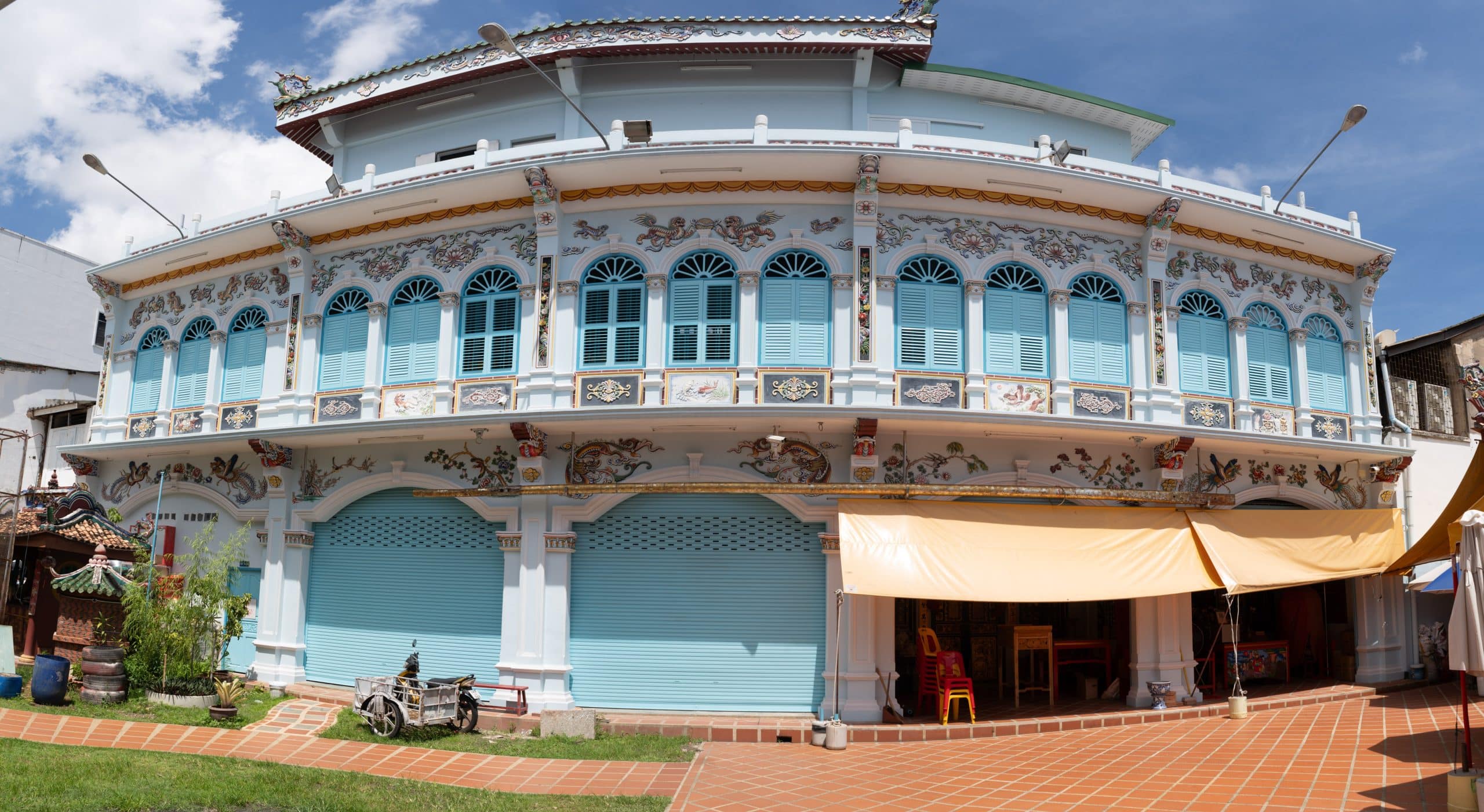
Phuket Old Town’s shophouses were designed for use, not display. Their narrow street-facing façades often conceal much deeper plots containing commercial space, family rooms, storage areas and internal courtyards. Covered five-foot ways, shutters, high ceilings and internal air spaces helped the buildings function in a hot, wet climate.
The architecture is commonly described as Sino-Portuguese or Sino-European. Both terms refer to a mixture of Chinese building traditions and European decorative influences rather than a purely Portuguese style. The buildings were adapted to Phuket’s climate and to the needs of merchant families whose businesses and homes often occupied the same property.
Larger residences and mansion-style properties show the scale of wealth associated with mining and trade, while simpler shophouse rows reveal the everyday commercial structure of the town. Looking at both gives a more accurate picture than concentrating only on the most polished façades.
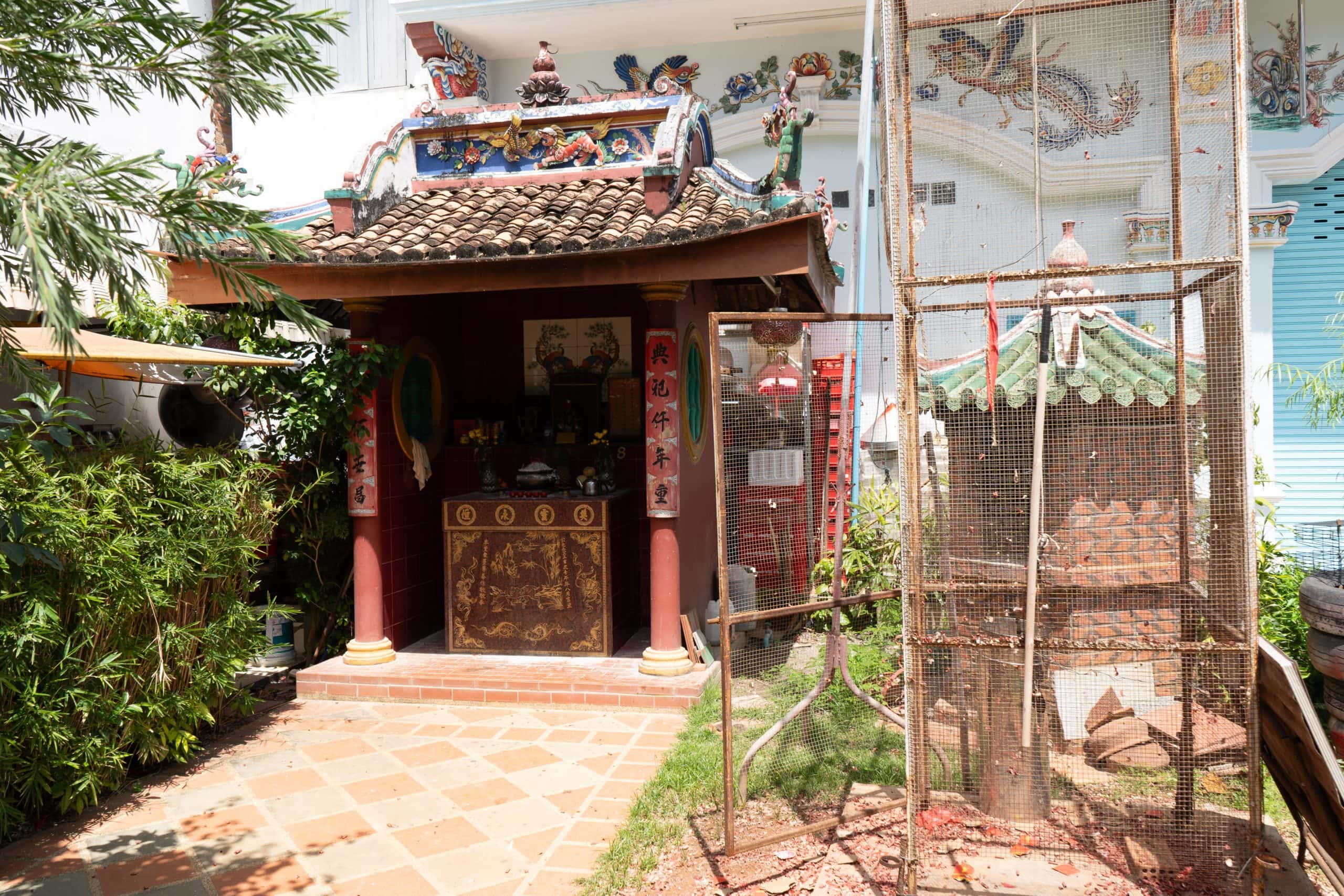
Shrines, museums and living culture
Old Town is not only about architecture. Chinese shrines remain active places of worship and community organisation, helping explain why Phuket Town feels culturally distinct from many of the island’s resort areas. They are especially important during the Phuket Vegetarian Festival, but they remain part of local life throughout the year.
The historic district also has several useful cultural stops. Phuket Thai Hua Museum provides background on Chinese migration, education and commerce, while Baan Chinpracha offers a domestic view of upper-class family life during an earlier period. Access, opening times and exhibitions can change, so check current arrangements before planning a visit around one specific venue.
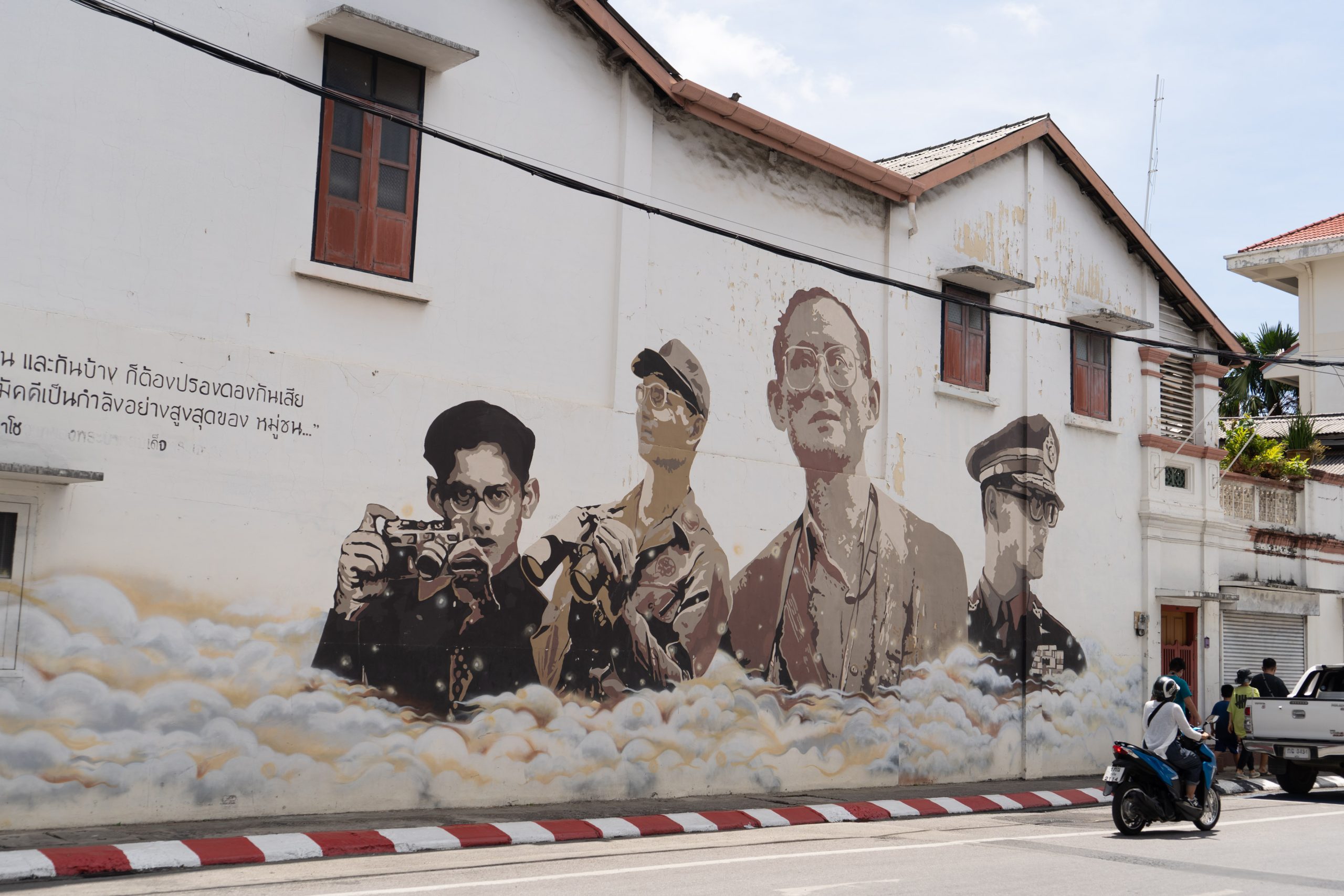
Food in Old Town
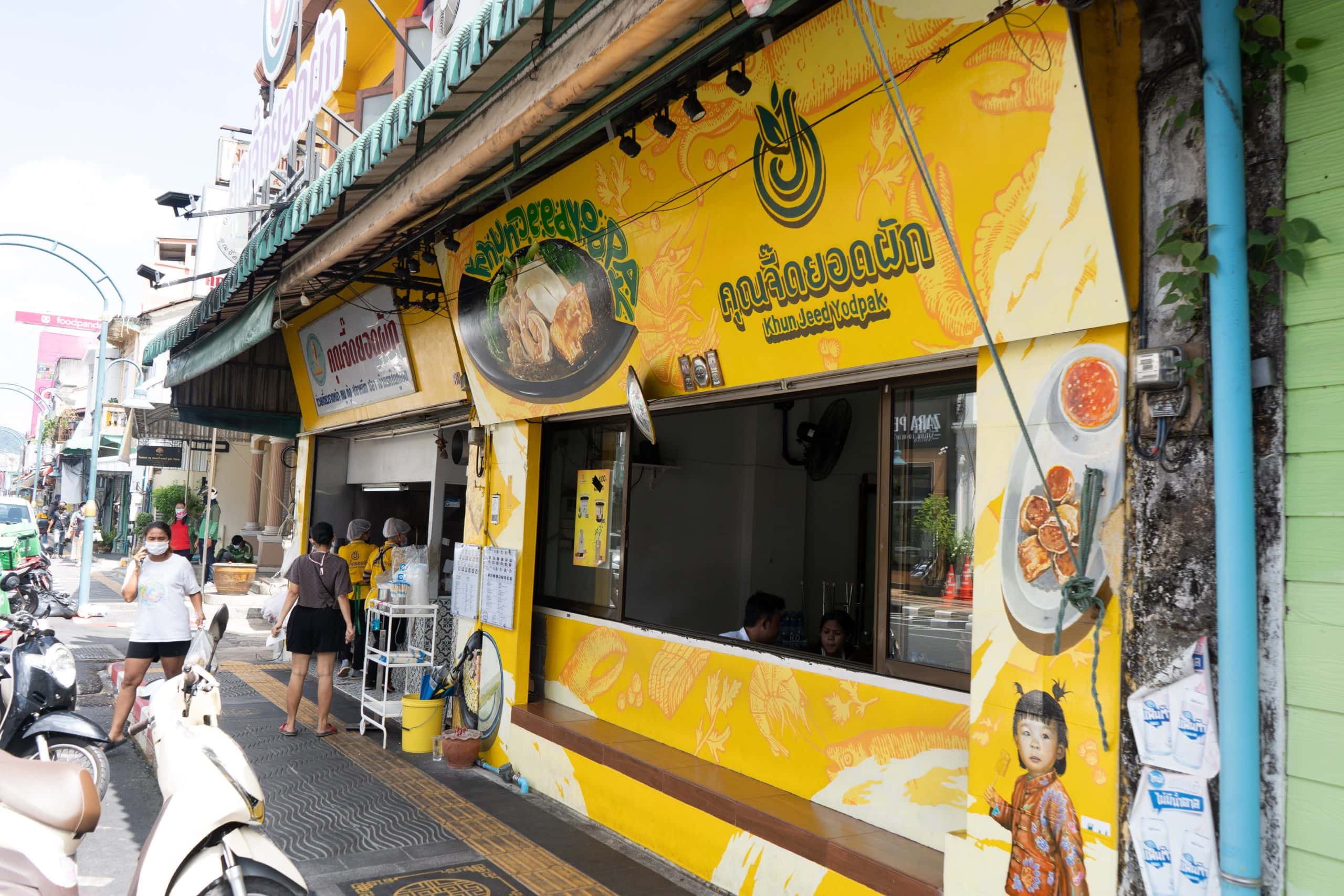
Phuket Old Town is one of the best places on the island to understand local food beyond resort restaurants. Older noodle shops, breakfast places, specialist counters and family businesses place the town’s food traditions in their original setting.
Look for Hokkien noodles, moo hong, kanom jeen, dim sum, local sweets and dishes associated with Phuket’s mixed Chinese-Thai and Peranakan food culture. Modern cafés are now part of the district too, but they should not replace the older food businesses if the purpose of the visit is to understand why Old Town matters.
For many visitors, the most memorable part of the district is not one particular building. It is the combination of architecture, traffic, heat, food, shopfronts and everyday urban activity.
Best time to visit
First visit:
A morning or late-afternoon walk of two to three hours.
Morning and lunchtime, when many older businesses are operating.
Photography:
Early morning for quieter streets; late afternoon for softer light.
Atmosphere:
Sunday Walking Street, accepting larger crowds and more difficult parking.
Practical notes
- Traffic from Phuket’s west coast can make the journey considerably longer than the map suggests.
- Once inside the historic centre, walking is generally more useful than moving the car between streets.
- Pavements are narrow or uneven in places, and road crossings require attention.
- Carry water, wear light clothing and keep a rain plan during the wet season.
- Dress modestly at religious sites and ask before photographing people or shrine interiors.
- Check current opening arrangements when visiting specifically for a museum or restored house.
